
By María Candelaria Rodriguez Hernández (Tseltal)
Santa Cruz la Reforma, Sitalá, in Chiapas, Mexico, where I come from, is a beautiful community situated on a high hill with stunning landscapes. My family dedicated themselves to working in the fields, clearing coffee and cornfields, among other activities. My father passed away when I was four years old, so I didn’t finish my studies because my family didn’t have the resources; I only finished sixth grade. When I graduated from elementary school, I continued working with my aunts and uncles in the fields, harvesting corn, beans, and coffee, among other activities that provided us with our daily food.
In 2010, I began serving at the Ts’umbal Xitalha’ Cooperative in what we call a coffee school, where I learned the coop’s organizational, production, farming, and administrative processes, as well as leadership skills. When I joined, I knew nothing about the cooperative—only that my mother was a coffee producer. I worked in the fields, took care of my siblings, and did my household chores. One day, my mother held a general assembly in Chilón, where they announced they were inviting the children of producers to join the coffee school. My mother told me to sign up. I didn’t want to, but she managed to convince me.
Later, my mother and I attended a meeting of the board of directors and regional representatives. They told us to inform the regional assemblies and find out if there were any more young people interested in joining as a coffee school. A few days later, there was a regional assembly in Tsubute’el, where I introduced myself to the producers.
When the scheduled date arrived, I showed up at the cooperative with my colleague, Manuela Rodríguez Hernández. I was very scared and embarrassed to speak to the public. I didn’t want to say my name. My hands were shaking, and I felt very nervous. The reality was that I didn’t know much about writing and had always had trouble speaking in Spanish. I was afraid of the cooperative members because I didn’t know them and thought they didn’t speak Tseltal, but when they started introducing themselves, I heard some of them speaking Tseltal. That made me happy because I realized that not everyone comes from outside.
I met other colleagues from different communities, and we shared the activities we do within our families and communities. I feel it’s very valuable for me to learn. I want to move forward for my future and for the rural communities. I also want the sons and daughters of farmers to learn this good path; I am an example for everyone. I used to be single, but now I’m married with a child. There’s always hardship and confusion at the beginning, but in the end, the fruits of our labor will be seen.
In 2013, we started a microfinance institution called Comon Sit Ca’teltic, which means “the fruit of our common labor” in Tseltal. Producers contributed 5% of their coffee and honey income to enable them to obtain loans. We were accustomed to borrowing money from loan sharks at very high rates of 12–15% per month, and the producers realized that it would be better to leave their contributions in the cooperative so they would have greater access to loans at a lower rate. The microcredits aim to help the producers’ families cover their most important needs. We also give women greater access to funds with the goal of creating financial services to meet their needs.
Yomol A’tel (Together We Work, Walk, and Dream)
As Yomol A’tel, we are serving the needs of Indigenous communities in the northern jungle of Chiapas. In this group, we undertake various activities supporting coffee and honey producers and women who make soap, cosmetics, textiles, and aromatic plants. And we provide financial education focused on microcredits and productive loans to coffee and honey producers and women who make honey soaps.
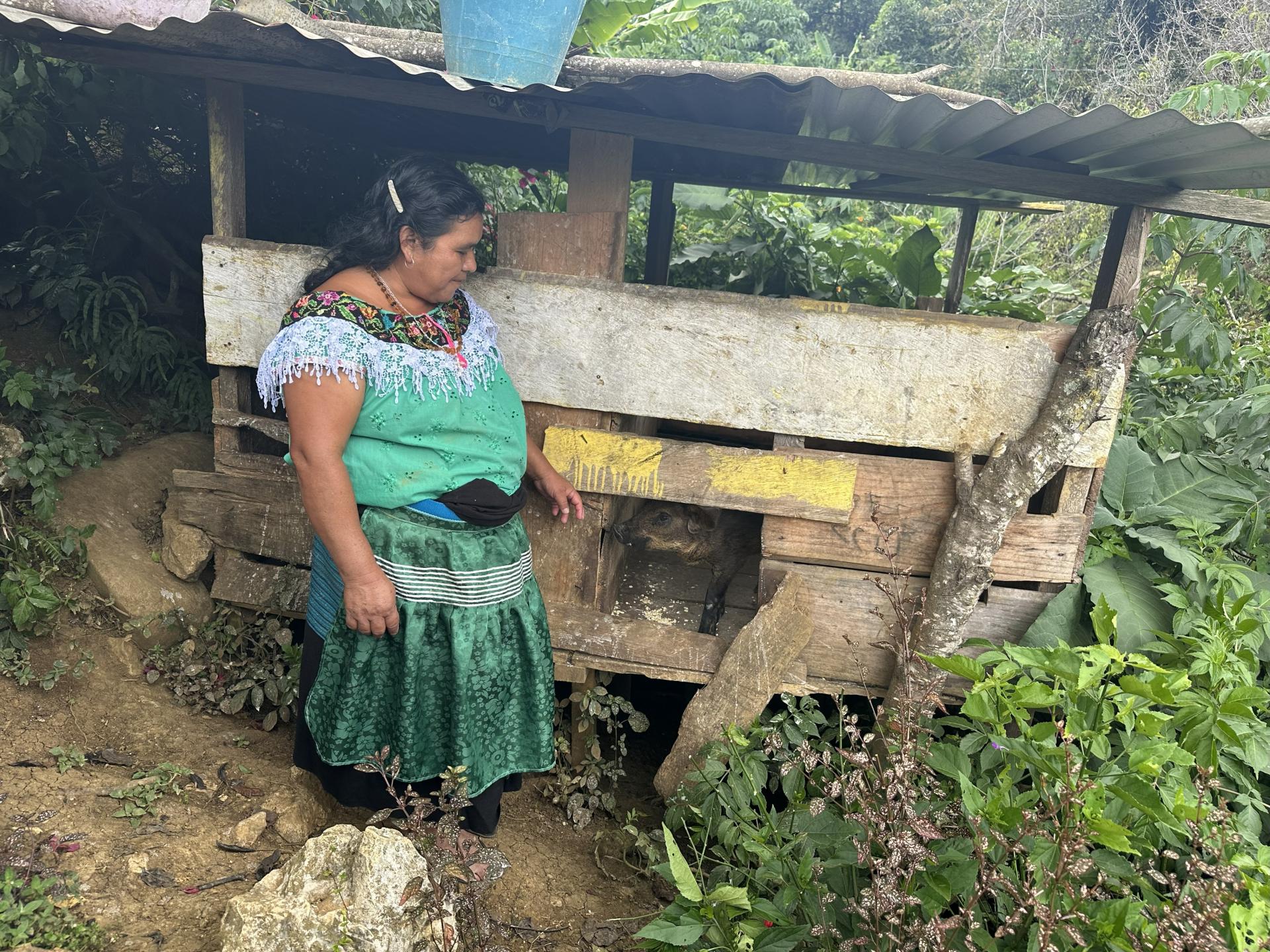
We also promote work with women raising pigs in the production chain, which helps strengthen the family economy and generate prosperity. In this project, women are given a pair of piglets to raise and care for. Within six to eight months, the pigs enter the breeding stage, and six months later, they give birth. When the new piglets are two months old, the women return the original two pigs so they can be passed on to other families. Any additional piglets born will remain with the women as their profit.
We started with 13 women raising 13 piglets. The women of the communities where we are working asked that the piglets be locally sourced and fed corn, pozol, grass, and other things from the community. They do not like working with piglets from outside the community, which require purchased feed and more medicine, because many of them do not have the resources to buy it. Currently, we have more than 85 women from 10 communities in 6 regions raising 157 piglets. This project will continue until all the women relatives of the Ts’umbal Xitalha’ Cooperative are reached.
The purpose of this project is to give women the opportunity and motivation to participate as producers. We always see men participating in meetings or assemblies, but women are never given the opportunity to participate and make decisions, while men always have a voice and vote. That’s why this project was created: to encourage them and help them overcome their fear of participating in meetings and assemblies. Women have a wealth of experience and knowledge to share, which would change the way our co-op meetings about coffee and honey are held. If more women participated, we would also be identifying ways to implement food security and diversify sources of income for families.
We also provide workshops and training on financial management and basic accounting so they can sustain their family finances. The women entrepreneurs have created their own internal regulations and agreements regarding assistance, piglet care, and what to do if one or both piglets die. Women and men participate in each meeting, and these agreements are written into their regulations. Once they are read, they are signed and entered into force.
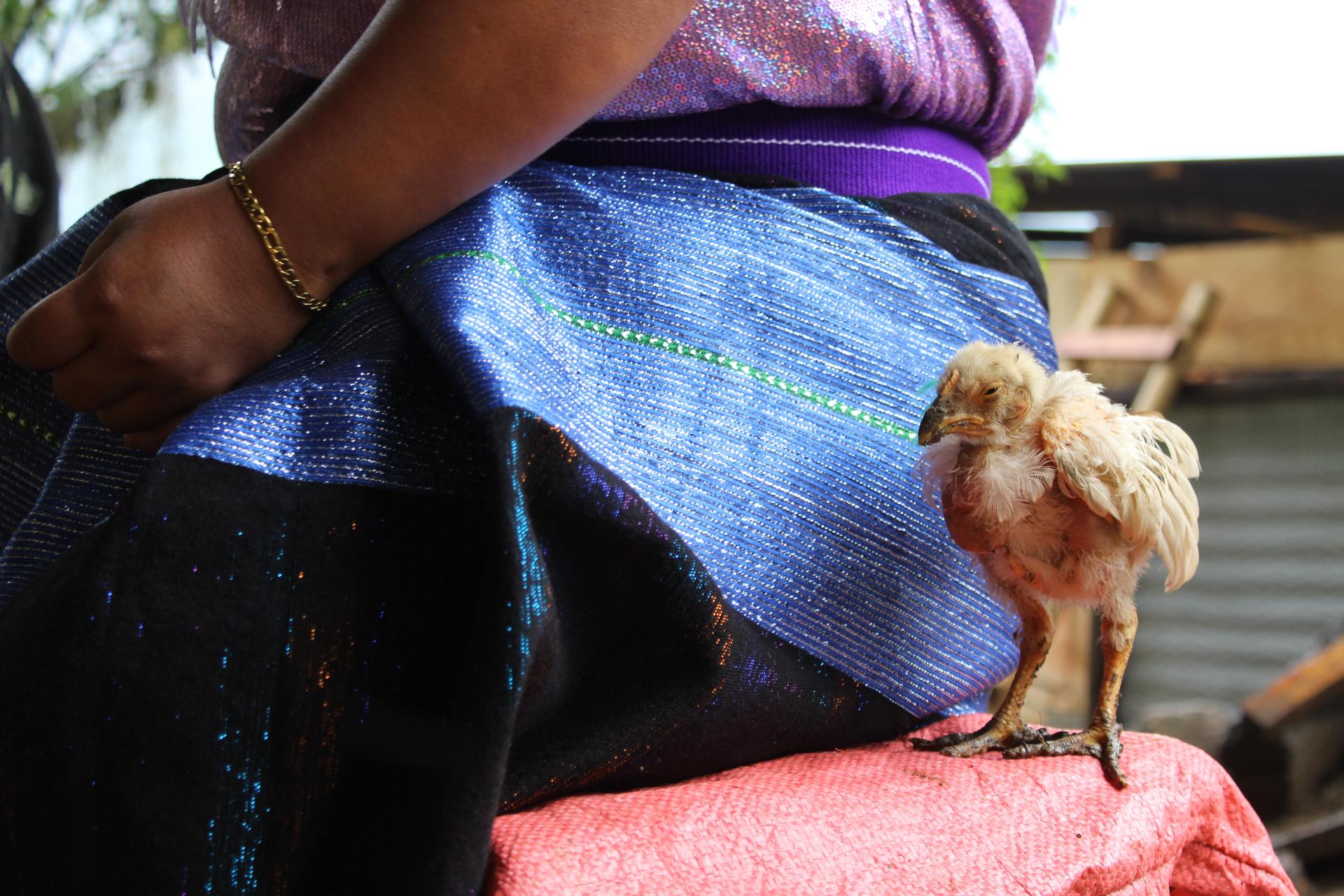
After this initial work with the women, due to their willingness to organize and reach agreements, other productive loans were launched to continue strengthening family assets via a new project of raising egg-laying hens. At the start, each woman was given 10 chicks and 2 proposals on how to return them: they could either return eight chicks of the same size or five larger ones. The women decided on the second proposal because only 50% would be returned, and the other 5 would remain as their profits. This allowed them to recognize what they had invested in feeding, time, and caring for the birds.
Ultimately, this project aims to meet needs, diversify products, and generate sources of income for the self-sufficiency of families. We are transforming and adding value to our local products to improve income, generating savings opportunities, and even reinvesting the increased income so families can meet their needs. We are also strengthening food sovereignty for the people who make up Yomol A’tel. Starting with piglets and chickens, we can develop methodologies for growing vegetables, coffee nurseries, breeding fish, and more.
I wanted to plant the tree so that the branches would bear good fruit. I want to teach, not just keep my learnings to myself, but share so that the work can go further.
María Candelaria Rodriguez Hernández (Tseltal) is from the community of Santa Cruz la Reforma in the municipality of Sitalá in Chiapas, Mexico. Since 2013, she has been working at Yomol A’tel, a coffee collective and 2024 Keepers of the Earth Fund grant partner.
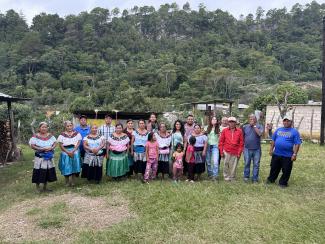
Top photo: A women’s meeting in Chiviltic.
All photos courtesy of Yomol A’tel